Histamine Intolerance From SIBO: 5 Shocking Gut Secrets Revealed
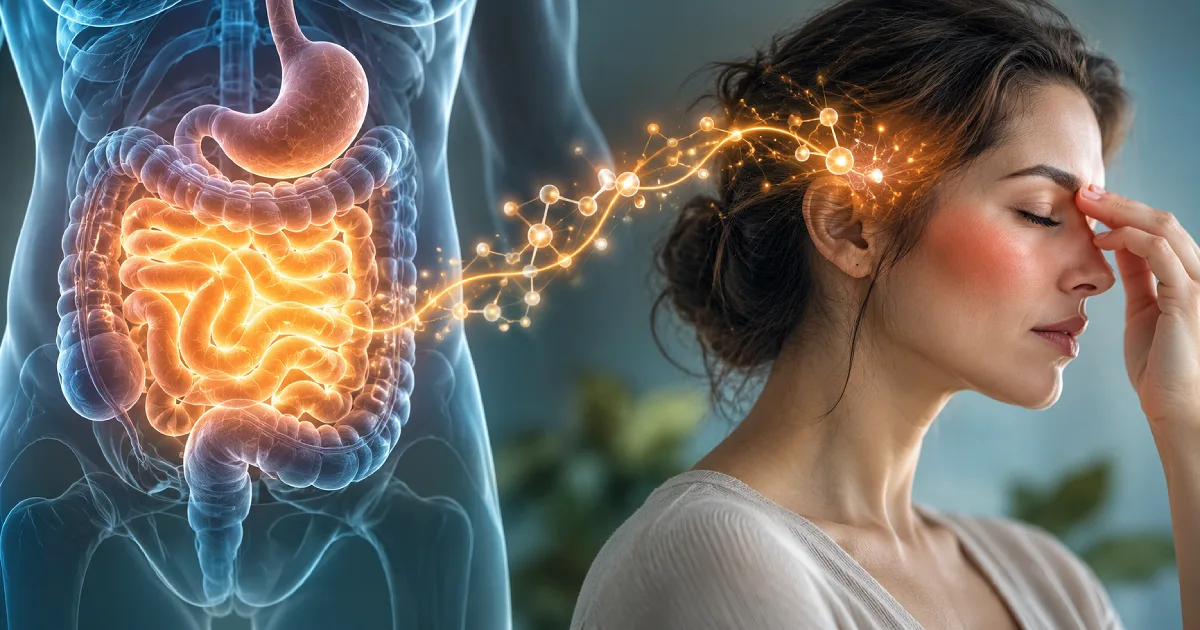
Are you struggling with unexplainable hives, pounding migraines, sudden facial flushing, or debilitating digestive distress every time you eat? You might have already looked into gut issues, or perhaps you are completely new to how your digestive tract controls your body. If you have been desperately searching for answers, you have likely run across two separate conditions: Small Intestinal Bacterial Overgrowth and a systemic intolerance to dietary biogenic amines. However, what most practitioners miss is the deep, underlying connection between these two conditions. Histamine intolerance from SIBO is a highly prevalent but frequently overlooked clinical reality that explains why standard gut treatments or restrictive allergen diets fail to deliver lasting relief.
When bacteria migrate from the large colon into the delicate chambers of your upper digestive tract, they create a cascade of biochemical changes. This overgrowth doesn’t just cause gas and bloating; it fundamentally destroys your body’s infrastructure for processing biogenic amines. In this comprehensive, deep-dive guide, we will unpack the hidden scientific connection, explore why your metabolic enzymes are failing, and provide a clear, evidence-based roadmap to heal your gut and reclaim your life.
Understanding Small Intestinal Bacterial Overgrowth Symptoms
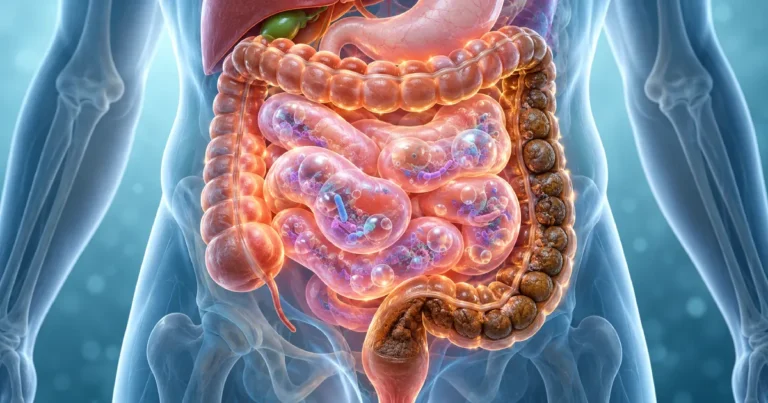
To fully comprehend how histamine intolerance from SIBO develops, we must first analyze the individual components of this metabolic storm. Under normal physiological conditions, your small intestine is a relatively sterile environment. While your large intestine holds trillions of microbial organisms, the small bowel relies on a complex clearing mechanism known as the Migrating Motor Complex (MMC) to sweep residual food particles and microbes downstream into the colon.
When this defense mechanism breaks down due to chronic stress, structural abnormalities, thyroid issues, or food poisoning, a massive shift occurs. Microbes from the colon take up residence in the upper digestive tract, leading to a profound collection of small intestinal bacterial overgrowth symptoms.
According to comprehensive research published in the Journal of Postgraduate Medicine, the clinical hallmark of this condition involves the premature fermentation of dietary carbohydrates in the small bowel. This erratic bacterial activity releases high volumes of hydrogen, methane, or hydrogen sulfide gases. The primary physical signs include:
- Severe Postprandial Bloating: Distension that worsens progressively throughout the day, often making a person look several months pregnant by evening.
- Altered Bowel Motility: Chronic watery diarrhea (associated with hydrogen-producing bacteria), severe constipation (driven by methane-producing archaea), or a highly erratic alternating pattern.
- Abdominal Pain and Cramping: Visceral hypersensitivity caused by the physical stretching of the intestinal walls from trapped gas.
- Malabsorption and Nutritional Deficiencies: Bacterial consumption of your nutrients before your body can absorb them, leading to steep drops in Vitamin B12, Iron, and fat-soluble vitamins (A, D, E, and K).
- Systemic Manifestations: Brain fog, chronic fatigue, joint pain, and skin disorders like rosacea, which are widely documented in medical literature such as the American Academy of Family Physicians.
The Science of Histamine Intolerance
Histamine is not inherently dangerous. It is a vital biogenic amine that acts as a neurotransmitter, stimulates the secretion of gastric acid required for protein digestion, and serves as a primary mediator of your immune system’s inflammatory responses. When your body detects a foreign invader, mast cells release histamine to dilate blood vessels, allowing white blood cells to reach the site of infection rapidly. When this system breaks down, the patient experiences systemic symptoms linked directly to histamine intolerance from SIBO.
However, issues arise when there is a mismatch between total histamine accumulation and your body’s total capacity for elimination. As detailed by researchers in Nutrients, true histamine intolerance is not an IgE-mediated allergic reaction. Instead, it is an acquired metabolic deficiency characterized by the accumulation of plasma histamine due to impaired enzymatic degradation. This sudden overflow of biogenic amines into the bloodstream is what characterizes the onset of true histamine intolerance from SIBO.
In healthy individuals, dietary histamine consumed from foods like aged cheeses, fermented foods, wine, or leftover meats is instantly neutralized in the digestive tract by a specialized enzyme called Diamine Oxidase (DAO). A secondary enzyme, Histamine N-Methyltransferase (HNMT), handles intracellular histamine processing in liver, lung, and central nervous system tissues. When DAO is defective or deficient, dietary histamine escapes the gut unharmed, enters your systemic bloodstream, and binds to H1, H2, H3, and H4 receptors distributed throughout your entire body. This leads to a complex, multi-system symptom profile that mimics a permanent, low-grade allergic reaction.
The Intimate Link Between Gut Dysbiosis and Histamine
To truly comprehend histamine intolerance from SIBO, one must look beyond simple mechanical concepts of digestion and evaluate the deep chemical relationship of gut dysbiosis and histamine. The human microbiome is a living chemical factory capable of synthesizing a vast array of metabolic compounds. In a healthy state, your commensal bacteria protect your mucosal lining and help maintain local homeostasis. However, when a massive overgrowth occurs in the small intestine, this delicate biochemical environment is utterly upended. This shift frequently triggers systemic issues, making gut dysbiosis a core driver of histamine intolerance from SIBO.
A groundbreaking clinical study available on the National Center for Biotechnology Information established that patients suffering from histamine intolerance display distinct patterns of intestinal dysbiosis. Specifically, their microbiomes demonstrate a significant reduction in healthy, anti-inflammatory microbial families alongside a massive proliferation of histamine-secreting bacterial strains.
When your small intestine is colonized by specific pathogenic or opportunistic bacteria, the total daily production of biogenic amines sky-rockets independently of what you eat. Let’s look closer at how this micro-environmental chaos sets off a dangerous dual-action pathway in your body.
The Histamine-Producing Culprits in the Small Bowel
Many of the bacterial genera that overgrow in a typical SIBO presentation contain a specific enzyme known as histidine decarboxylase (HDC). This specific enzyme is capable of taking histidine—a common, benign amino acid found in almost all protein-rich foods—and converting it directly into active histamine inside your intestinal lumen.
Research from Frontiers in Nutrition identifies prominent histamine-producing species that frequently dominate the dysbiotic small bowel:
- Morganella morganii
- Klebsiella pneumoniae
- Proteus mirabilis
- Hafnia alvei
- Enterococcus faecalis
- Certain opportunistic strains of Escherichia coli
Furthermore, well-meaning individuals often make their condition significantly worse by consuming common commercial probiotics. Many standard bacterial supplements contain high concentrations of Lactobacillus casei, Lactobacillus reuteri, or Lactobacillus bulgaricus. While these strains are highly beneficial for a healthy colon, multiple scientific studies confirm that they possess functional HDC pathways. Introducing them into an already overgrown small bowel acts like pouring high-octane fuel directly onto a metabolic fire, dramatically accelerating the severity of histamine intolerance from SIBO.
How Inflammation Shuts Down DAO Production
The second half of the gut dysbiosis and histamine equation involves the physical destruction of your clearance pathways. The primary histamine-degrading enzyme, Diamine Oxidase, is an incredibly sensitive protein. It is synthesized almost exclusively within the microscopic, hair-like projections of your intestinal lining known as the enterocyte villi.
As overgrowing bacteria ferment carbohydrates, they release toxic metabolic byproducts, including lipopolysaccharides (LPS) and highly reactive pro-inflammatory cytokines. This chronic microbial activity triggers a continuous localized inflammatory state that damages the delicate brush border of your small intestine.
When these microvilli are inflamed, blunted, or structurally compromised, your enterocytes lose their biological capacity to produce DAO. This creates an incredibly difficult metabolic loop: your overgrown gut bacteria are manufacturing massive amounts of excess histamine, while simultaneously destroying the exact mucosal enzymes your body needs to break it down.
Direct Comparison: Is It SIBO, Histamine Intolerance, or Both?
Because these conditions share highly overlapping clinical presentations, it can be exceptionally difficult for patients and doctors to separate them. The following comparative matrix outlines the core clinical differences to help you navigate your healing journey:
| Diagnostic Parameter | Small Intestinal Bacterial Overgrowth (SIBO) | Histamine Intolerance (HIT) | Combined SIBO-Induced Histamine Intolerance |
|---|---|---|---|
| Primary Root Cause | Motility failure, structural changes, or low stomach acid allowing bacterial migration into the small bowel. | Impaired systemic or intestinal degradation of dietary histamine due to low DAO activity. | Bacterial overgrowth driving both elevated histamine production and mucosal DAO degradation. |
| Dominant GI Manifestations | Massive immediate bloating, gas, foul flatulence, light-colored loose stools, or severe chronic constipation. | Intermittent bloating, postprandial cramping, urgent loose stools shortly after consuming fermented or aged foods. | Intense, painful bloating coupled with systemic symptoms like severe nausea, acid reflux, and immediate abdominal flushing after eating. |
| Systemic Symptoms | Fatigue, severe brain fog, joint pain, nutritional deficiencies (B12/Iron), and chronic skin eruptions like rosacea. | Migraines, hives, pruritus, sinus congestion, drop/spike in blood pressure, insomnia, and erratic anxiety. | Severe overlapping symptoms: intense bloating paired with immediate hives, sudden racing heart, panic attacks, or afternoon migraines. |
| Primary Food Triggers | High-FODMAP foods (garlic, onions, apples, beans, avocados) and complex prebiotic starches. | Fermented foods, alcohol, aged meats, fish sauces, vinegar, spinach, tomatoes, and leftover protein. | The ultimate dietary nightmare: Reactive to both high-FODMAP foods and high-histamine items, leaving very few safe options. |
| Standard Diagnostic Tool | Lactulose or Glucose Hydrogen/Methane Breath Testing. | Clinical response to a 4-week low-histamine diet or serum DAO activity testing. | Positive SIBO Breath Test paired with a clear history of systemic reactivity to histamine-rich foods. |
5 Shocking Secrets Linking SIBO and Histamine Intolerance
Now that we have covered the baseline physiology, let us pull back the curtain on the complex biochemical mechanisms that link these two life-disrupting conditions. Understanding these pathways is essential to successfully breaking the cycle of illness.
Secret 1: Bacterial Histamine Hijacks Gut Motility and Drives Leaky Gut
One of the most profound discoveries in recent neuro-gastroenterology is that bacterial histamine acts as a powerful signaling molecule that directly alters how your intestines move. When histaminogenic bacteria overgrow in the small bowel, the chronic pool of localized histamine binds to mucosal H1 and H2 receptors located on enteric nerves and smooth muscle tissues. This specific localized reaction is a major reason why the symptoms of histamine intolerance from SIBO can feel so unpredictable from day to day.
This aberrant signaling completely disrupts the coordinated rhythmic contractions of the Migrating Motor Complex. Instead of clean, sweeping waves that clear out bacteria, the muscles of the small bowel undergo erratic, uncoordinated spasms or stall out entirely. This bacterial stall further promotes stagnation, which locks the patient into a vicious cycle: bacterial overgrowth generates histamine, and that excess histamine paralyzes motility, allowing the overgrowth to expand further.
Simultaneously, this continuous pool of biogenic amines alters the structural integrity of your gut barrier. Histamine binding to H1 receptors on the vascular endothelium triggers a massive release of zonulin—the master regulatory protein responsible for opening the tight junctions between your intestinal cells. A landmark study published by European researchers demonstrated that histamine intolerance patients exhibit exceptionally elevated levels of fecal zonulin. As these cellular doors stand wide open, large, undigested food particles, bacterial endotoxins (LPS), and active histamine flood freely into your bloodstream, causing systemic mast cell activation and profound immune system inflammation. Understanding this structural breakdown helps explain why systemic allergic symptoms become so severe during chronic cases of histamine intolerance from SIBO.
Secret 2: The Double-Whammy on Your DAO Enzyme
If you want to understand histamine intolerance from SIBO, look at how enzyme production fails. Most standard medical texts view DAO deficiency as a simple genetic issue caused by single-nucleotide polymorphisms (SNPs) in the AOC1 gene. While genetics certainly establish your baseline vulnerability, histamine intolerance from SIBO presents an entirely separate, environmentally driven disaster.
When you have an overgrowth, your DAO enzyme is subjected to a brutal double-whammy:
- Direct Mechanical Destruction: The physical overgrowth of bacteria blunts your delicate enterocyte villi, rendering them physically incapable of manufacturing the DAO enzyme in sufficient quantities.
- Chemical Exhaustion: The small amount of DAO your gut can produce is instantly consumed and exhausted by the massive wave of histamine being constantly generated by your dysbiotic gut microbes.
This creates a critical functional deficit. Even if you possess perfect genetics and zero mutations, the presence of SIBO effectively turns off your body’s primary defense against biogenic amines, leaving you completely unprotected against your food. This structural damage ensures that histamine intolerance from SIBO becomes a chronic, self-perpetuating issue.
Secret 3: The Vicious Mast Cell Activation Loop
Mast cell degranulation plays a massive hidden role in the severity of histamine intolerance from SIBO. The link between histamine intolerance from SIBO extends far beyond simple dietary reactions; it involves a complex immunological feedback loop with your body’s mast cells. Mast cells are specialized immune cells stationed at the boundaries between your internal tissues and the outside world, with an exceptionally high concentration located in your gut lining.
When SIBO causes leaky gut, bacterial endotoxins like LPS cross the broken mucosal barrier and bind to specialized immune receptors known as Toll-Like Receptors (TLR4) on your mast cells. This interaction sends your immune cells into overdrive, triggering a massive process called degranulation.
As mast cells degranulate, they release large amounts of internal histamine, pro-inflammatory cytokines, and leukotrienes directly into your local tissues. This wave of host histamine damages the surrounding gut barrier even further, creating a dangerous perpetual loop. The bacteria activate the mast cells, the mast cells release histamine, the histamine worsens the leaky gut, and the leaky gut allows more bacteria to activate more mast cells. Breaking this inflammatory loop is absolutely non-negotiable when reversing histamine intolerance from SIBO.
Secret 4: Lipopolysaccharides (LPS) Block Intestinal Methylation Pathways
While DAO is your primary defense against histamine inside the gut lumen, your body relies heavily on Histamine N-Methyltransferase (HNMT) to neutralize histamine that has slipped past the gut wall and entered your internal tissues. The HNMT pathway is entirely dependent on a biochemical process called methylation. To function correctly, HNMT requires a steady, abundant supply of a specialized compound known as S-Adenosylmethionine (SAMe).
This is where the metabolic fallout of SIBO becomes truly sinister. The systemic inflammation generated by chronic bacterial overgrowth and circulating LPS endotoxins severely impairs hepatic (liver) function and down-regulates key methylation genes. Furthermore, because SIBO damages the upper gut lining, it prevents the proper absorption of crucial enzymatic cofactors like Vitamin B12, Folate, and Zinc, which are required to synthesize SAMe. When these vital nutritional building blocks are missing, resolving histamine intolerance from SIBO becomes nearly impossible without addressing the liver pathways. When your body cannot methylate effectively, your intracellular HNMT pathway completely stalls out. SIBO doesn’t just destroy your extracellular DAO defense; it systematically dismantles your secondary intracellular backup system as well.
Secret 5: Standard Low-FODMAP Protocols Secretly Maximize Your Histamine Load
When a patient is diagnosed with SIBO, the standard clinical recommendation is to instantly adopt a strict Low-FODMAP diet. This diet restricts fermentable oligosaccharides, disaccharides, monosaccharides, and polyols to starve out the bacterial overgrowth in the small intestine. While this protocol is highly effective at reducing hydrogen and methane gas production, it presents a hidden danger for individuals who have also developed an unaddressed histamine issue. This common dietary mistake explains why so many individuals see their histamine intolerance from SIBO worsen during initial treatment.
To replace high-FODMAP staples like garlic, onions, and wheat, patients almost universally increase their consumption of convenient low-FODMAP alternatives. Unfortunately, many of the primary low-FODMAP foods are incredibly rich in histamine or act as powerful mast cell triggers. Patients find themselves consuming large amounts of:
- Canned tuna, smoked salmon, and processed meats
- Aged hard cheeses
- Spinach, tomatoes, and eggplants
- Avocados and citrus fruits
- Bone broths simmered for 24–48 hours (which are packed with biogenic amines)
This explains a classic, highly frustrating clinical scenario: a patient discovers they have SIBO, switches to a pristine Low-FODMAP diet, and suddenly finds themselves covered in hives, unable to sleep, and experiencing crippling migraines. By blindly following standard SIBO advice without accounting for the broken histamine pathway, they have accidentally overloaded their fragile metabolic system with biogenic amines. Always customize your nutritional strategy to account for histamine intolerance from SIBO rather than relying on standard protocols.
How to Improve DAO Enzyme and Clear Histamine
If you want to break free from this complex condition, you cannot simply restrict your diet forever. You must implement a strategic, multi-layered clinical protocol that targets the underlying root causes while actively rebuilding your metabolic clearance pathways. Developing a comprehensive treatment plan is the only way to reverse the chronic effects of histamine intolerance from SIBO. Here is your step-by-step roadmap on how to improve DAO enzyme function and eliminate systemic histamine overload:
1. Down-Regulate Inflammation via Mucosal Support
Before you can expect your enterocytes to produce adequate DAO, you must calm the local inflammatory storm in the gut. Focus on introducing targeted mucosal nutrients that encourage cellular repair without activating mast cells:
- Pure L-Glutamine: The primary fuel source for your enterocytes, helping to mend open tight junctions and restore brush border architecture. Calming the gut barrier reduces the systemic reactivity associated with histamine intolerance from SIBO.
- Zinc Carnosine: A highly bioavailable compound that stabilizes the gut lining and has been shown to protect delicate mucosal tissues from inflammatory damage.
- Quercetin: A powerful, plant-derived flavonoid that acts as a natural mast cell stabilizer, helping to reduce the spontaneous degranulation triggered by bacterial LPS.
2. Implement Targeted Enzymatic Cofactors
The DAO enzyme cannot function in an isolated vacuum; it is a copper-dependent amine oxidase that requires specific nutritional cofactors to properly bind and break down biogenic amines. Ensure your daily protocol includes:
- Bioavailable Copper: (Such as copper glycinate) to directly support the structural core of the DAO enzyme molecule.
- Vitamin B6 (Pyridoxal-5-Phosphate): The active, methylated form of B6, which serves as an essential coenzyme for proper DAO activity. Ensuring adequate B6 levels helps your body rebuild its natural defenses against histamine intolerance from SIBO.
- High-Dose Vitamin C: A natural antihistamine that helps accelerate the non-enzymatic degradation of circulating biogenic amines.
3. Utilize Exogenous DAO Supplementation
While you are actively working to eradicate the bacterial overgrowth and heal your gut lining, you can provide immediate, powerful relief to your digestive system by taking an exogenous DAO supplement. Look for high-quality, porcine-kidney extract formulations. Taking a capsule 15–20 minutes before meals allows the enzyme to sit directly within your small intestinal lumen, intercepting and neutralizing dietary histamine before it ever touches your fragile enterocyte walls. Exogenous DAO acts as a temporary shield while you work on the root causes of histamine intolerance from SIBO.
Practical Low Histamine Diet Tips for SIBO Sufferers
Navigating food choices when you are dealing with both conditions simultaneously can feel incredibly overwhelming. Sifting through conflicting nutritional advice is one of the hardest parts of managing histamine intolerance from SIBO. To safely navigate this complex phase, incorporate these foundational low histamine diet tips into your daily routine:
- The Golden Rule of Freshness: Histamine builds up in protein-rich foods as a direct byproduct of bacterial decomposition. Never, under any circumstances, consume leftovers that have sat in the refrigerator for more than 24 hours. Cook your meals fresh, and immediately freeze any extra portions in airtight containers. Freezing completely halts the bacterial conversion of histidine into histamine.
- Prioritize Safe, Low-FODMAP, Low-Histamine Proteins: Base your meals around fresh, un-aged proteins such as freshly thawed chicken breast, wild-caught white fish (frozen directly on the boat), and pasture-raised eggs (if tolerated).
- Select Gut-Soothing Carbohydrates: Opt for easily digestible, low-fermentation carbohydrates that will not feed SIBO bacteria or trigger histamine release, such as white jasmine rice, peeled carrots, zucchini, and freshly cooked sweet potatoes.
- Avoid Fermented and Aged Traps: Completely remove all kombucha, sauerkraut, kimchi, apple cider vinegar, soy sauce, and aged meats from your kitchen until your small bowel bacterial load is completely normalized.
- Track Your Cumulative Symptoms: Keep a detailed food and symptom journal to note immediate patterns. Pinpointing your specific threshold for reactive foods is an essential milestone when actively managing histamine intolerance from SIBO.
The Root Cause Resolution: Healing the Gut for Good
At the end of the day, you can spend thousands of dollars on low-histamine foods and specialized enzyme supplements, but you will never truly resolve your symptoms until you fix the underlying bacterial issue. Eradicating histamine intolerance from SIBO requires a comprehensive approach to clean out the small intestine and restore proper gastrointestinal motility. Temporary diets only mask the underlying issue; true recovery from histamine intolerance from SIBO requires clearing the overgrowth.
Working alongside a qualified functional gastrointestinal specialist, you must take a systematic approach to treatment. SIBO is typically diagnosed through a non-invasive lactulose or glucose breath test that measures exhaled hydrogen and methane gases over a 180-minute window. Confirming these gas levels provides the exact baseline data needed to build an effective protocol for clearing histamine intolerance from SIBO. Once your gas profile is clearly identified, targeted eradication therapies can begin:
- Allopathic Interventions: Modern protocols often utilize targeted, non-absorbable antibiotics such as Rifaximin. Because Rifaximin is bile-activated, it concentrates almost exclusively within the small intestine, leaving your beneficial colon bacteria intact while effectively clearing the overgrowth.
- Biomedical Alternatives: Clinical trials show that specialized antimicrobial herbs (such as high-potency Allicin from garlic, Neem, Berberine, and Oregano oil) are just as effective at reducing bacterial gas loads as traditional antibiotic therapies.
- Prokinetic Motility Support: Once the overgrowth is cleared, you must prevent recurrence by keeping the Migrating Motor Complex moving. Implementing a natural prokinetic (such as Ginger root extract, Artichoke leaf extract, or low-dose naltrexone) ensures your small intestine maintains its vital self-cleaning waves, keeping bacteria where they belong and allowing your DAO pathways to fully recover. Once normal motility is permanently restored, your body can fully heal from histamine intolerance from SIBO.
Verifiable Scientific References & Citations
- Comino-Anduix, B., et al. (2021). Histamine Intolerance Originates in the Gut. PubMed Central (PMC). Read the full study on PMC8069563.
- Sánchez-Pérez, S., et al. (2022). Intestinal Dysbiosis in Patients with Histamine Intolerance. Frontiers in Nutrition / National Center for Biotechnology Information. View the source text on PMC9102523.
- Schink, M., et al. (2018). Microbial patterns in patients with histamine intolerance. PubMed / Journal of Physiological and Pathophysiological Research. Review the paper on PubMed30552302.
- Bures, J., et al. (2020). Small Intestinal Bacterial Overgrowth: Comprehensive Review of Diagnosis, Prevention, and Treatment Methods. World Journal of Gastroenterology. Access the research on PMC7386065.
- Maintz, L., & Novak, N. (2007). Histamine and histamine intolerance. The American Journal of Clinical Nutrition. Read the foundational review on PubMed17490952.
- Parodi, A., et al. (2025). Screening Patients With Rosacea for Small Intestinal Bacterial Overgrowth. American Academy of Family Physicians (AAFP). Explore the clinical communication on AAFP Letter.