
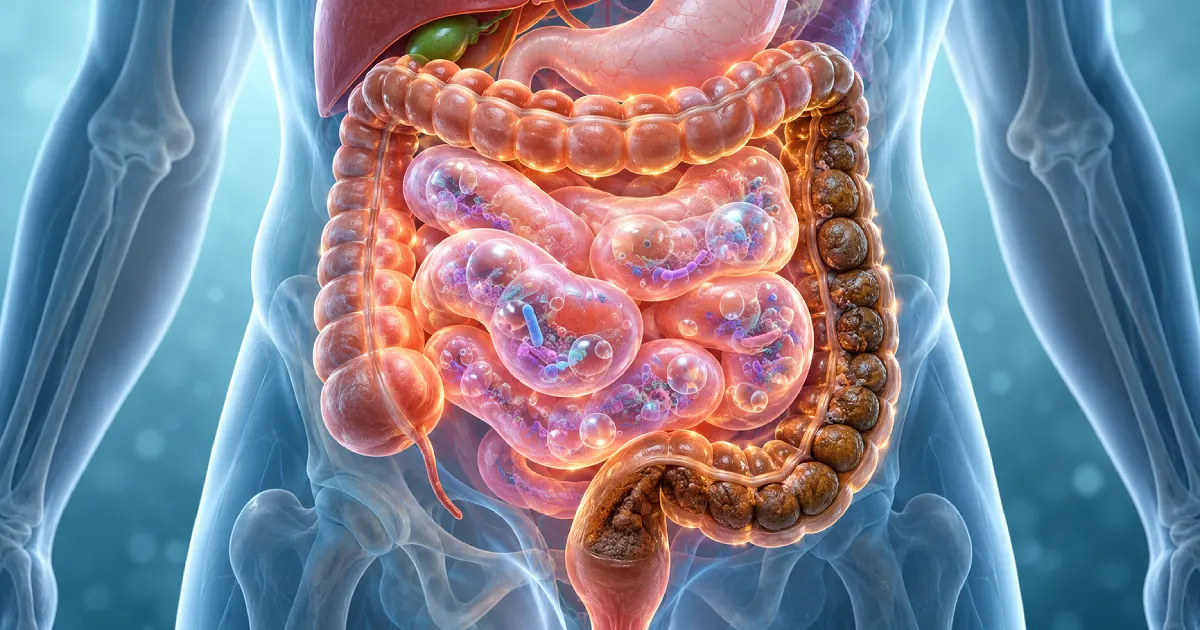
What Does Methane SIBO Constipation Feel Like? 10 Painful Secrets Revealed
Living with chronic digestive issues is far more than an inconvenience; it can be an ongoing, silent battle that dictates your entire schedule, your diet, and your mental well-being. If you are constantly feeling backed up, heavily distended, and plain exhausted, you have likely run across terms like Small Intestinal Bacterial Overgrowth (SIBO) or its more accurate, modern classification: Intestinal Methanogen Overgrowth (IMO). But when you are trying to cross-reference your everyday suffering with clinical diagnoses, the central question remains: what does methane SIBO constipation feel like?
Unlike classic, occasional constipation caused by a low-fiber breakfast or dehydration, the constipation triggered by methane-producing organisms in your digestive tract is a completely different beast. It is a profound, structural deceleration of your entire digestive tract that creates a cascading waterfall of discomfort.
To help you gain clarity and figure out if your body is struggling with this specific type of microbial imbalance, this comprehensive guide will unpack exactly what does methane SIBO constipation feel like, provide an actionable methane SIBO symptoms checklist, dive deep into the underlying science, and map out a proven intestinal methanogen overgrowth treatment plan to help you reclaim your gut health.
The Pathophysiology: Why Methane Alters Your Bowel Habits
To understand what does methane SIBO constipation feel like, we have to look closely at the unusual microorganisms responsible for this condition. For years, medical science grouped all overgrowth syndromes under the umbrella of SIBO. However, clinical updates spearheaded by leading neurogastroenterology institutions like the Cedars-Sinai GI Motility Program established a crucial distinction: methane-dominant overgrowth is caused by Archaea, not bacteria.
The primary organism implicated in this condition is Methanobrevibacter smithii. Archaea belong to an entirely separate biological domain of life than bacteria. They do not simply multiply on their own; instead, they act as scavengers. They consume the hydrogen gas produced by neighboring fermenting bacteria and synthesize it into methane gas.
This methane gas does not just sit inertly in your gut. It acts as a powerful gastrotransmitter with an acute paralyzing effect on your digestive muscles. According to landmark research published in the Journal of Neurogastroenterology and Motility, which maps out how Methane and Constipation-Predominant Irritable Bowel Syndrome are entwined pillars of emerging neurogastroenterology, methane gas directly triggers a cholinergic neuromuscular pathway that slows down intestinal transit times by up to 59%.
Instead of smooth, rhythmic, waves of peristalsis pushing food along your tract, your intestines begin experiencing uncoordinated, localized spasms. This leaves waste stranded inside your colon for days or even weeks on end. The longer that stool sits in the colon, the more water is reabsorbed by your body, leading to the highly specific, painful physical experiences outlined below.
What Does Methane SIBO Constipation Feel Like? 10 Painful Signs
If you are trying to understand what does methane SIBO constipation feel like, you need to look beyond standard definitions of “infrequent bowel movements.” People suffering from Intestinal Methanogen Overgrowth experience a multi-layered matrix of physical discomfort. Here are 10 distinct ways this condition manifests in daily life:
1. The Sensation of a “Concrete Block” in your Lower Abdomen
Patients frequently report that it feels as though a solid, heavy weight is sitting right behind their pubic bone. No matter how much water you drink, or how many gentle walks you take, that physical weight refuses to budge. This is the direct result of slow colonic transit time where dehydrated, dense stool builds up in the rectosigmoid region.
2. Radical, Rock-Hard Abdominal Distension
Unlike standard weight gain or mild hormonal bloating, methane-induced swelling can cause your abdomen to expand by several inches over the course of a single day. This occurs because the Methanobrevibacter smithii archaea are constantly producing gas that exerts outward, mechanical pressure against your abdominal walls. It feels less like soft fluid retention and more like an over-inflated basketball.
3. Chronic, Incomplete Evacuation
One of the most frustrating aspects of answering what does methane SIBO constipation feel like is the feeling of never being truly done. You might spend significant time straining on the toilet, only to pass a tiny amount of stool, leaving you with the immediate, nagging sensation that the vast majority of the waste remains completely trapped inside.
4. Passing Type 1 or Type 2 Stools on the Bristol Stool Chart
When your gut transit is severely delayed by methane gas, your stools mirror the extreme dehydration of the colon. You will consistently pass stools that look like hard, separate small pellets (like goat droppings) or a highly lumpy, compact sausage shape. According to the Cleveland Clinic Bristol Stool Chart Assessment Guide, passing these requires intense straining and frequently causes painful micro-tears or hemorrhoids.
5. Persistent, Dull Visceral Pain and Cramping
Because the methane gas induces uncoordinated segmenting contractions rather than smooth forward motility, your small and large intestines are constantly fighting themselves. This results in a persistent, dull, generalized ache across the entire abdomen, punctuated by sharp, sudden cramps that rarely improve even after you manage to pass gas or stool.
6. Constant, Trapped Flatulence
You might feel a desperate need to pass gas to relieve the internal pressure, but find that the gas itself feels physically trapped deep within the twists and turns of your bowel loops. When gas does escape, it often fails to provide any lasting relief because the methanogens are working overtime to generate more gas from the very next thing you consume.
7. Worsening Symptoms After Eating “Healthy” Fibers
If you try to treat this issue like standard constipation by eating large salads, taking psyllium husk, or loading up on prebiotic fibers, your symptoms will often spiral out of control. Because you are essentially pouring high-fermentable fuel directly onto an overgrowth of gas-producing microbes, your bloating and pain will increase exponentially within an hour of eating.
8. Nausea and Loss of Appetite (Upward Pressure)
When the downward flow of your digestive system is blocked, the pressure builds upward. Severe methane accumulation in the small intestine can delay gastric emptying (gastroparesis-like symptoms). This leaves you feeling full after just a few bites of food, accompanied by a low-grade, lingering nausea that makes the thought of eating unappealing.
9. Acid Reflux and Unrelenting Belching
The excessive gas pressures in the small bowel can push upward against the stomach, forcing gastric acid and trapped air through the lower esophageal sphincter (LES). This manifests as a sour taste in your mouth, chest discomfort, and frequent, loud burping sessions that happen even on an empty stomach.
10. Systemic Fatigue and Brain Fog
Methane is a systemic gas that can permeate the intestinal wall and enter the bloodstream. Furthermore, the chronic dysbiosis and slowed elimination allow metabolic waste products to linger too long in the body. This leaves many individuals feeling chronically fatigued, physically heavy, and struggling with a thick layer of cognitive brain fog that impairs daily focus.
The Ultimate Methane SIBO Symptoms Checklist
To help you organize what you are experiencing for your next doctor’s appointment, review this comprehensive methane SIBO symptoms checklist. If you check off more than four of these symptoms, it is highly recommended to seek professional breath testing for Intestinal Methanogen Overgrowth. A comprehensive meta-analysis highlighted in the Clinical Gastroenterology and Hepatology Symptom Profile Meta-Analysis confirmed that patients diagnosed with IMO present a highly distinct GI profile marked by significantly elevated severity and prevalence of chronic constipation.
- Bowel Movement Frequency: Having fewer than three bowel movements per week on a regular basis.
- Stool Consistency: Consistently passing hard, dry lumps, or sausage-shaped stools that are heavily cracked and difficult to pass.
- Persistent Straining: Needing to strain intensely during almost every single bowel movement.
- Abdominal Bloating: Severe bloating that starts in the morning and grows progressively worse as the day goes on, independent of your caloric intake.
- Visible Distension: Your stomach visually sticks out significantly, making your normal clothes feel painfully tight by evening.
- Incomplete Clearance: A persistent feeling of manual blockage or that waste is stuck in the lower rectum.
- Fiber Intolerance: Experiencing a severe spike in bloating, gas, and abdominal pain when taking fiber supplements like Metamucil or eating high-FODMAP foods.
- Upper GI Distress: Regular bouts of unexplained nausea, early satiety (feeling full too quickly), or daily acid reflux.
- Systemic Indicators: Unexplained brain fog, dynamic fatigue, or a general feeling of toxicity and sluggishness that doesn’t resolve with rest.
Comparing the Different Subtypes of SIBO and IMO
It is incredibly common for individuals to confuse different types of gut overgrowths. To better clarify what does methane SIBO constipation feel like compared to other conditions, see the direct comparison table below:
| Feature / Metric | Methane SIBO (IMO) | Hydrogen SIBO | Hydrogen Sulfide SIBO |
|---|---|---|---|
| Primary Microbe | Methanobrevibacter smithii (Archaea) |
E. coli, Klebsiella (Bacteria) | Desulfovibrio, Proteus mirabilis |
| Dominant Symptom | Severe, stubborn constipation | Loose stools and urgent diarrhea | Rotten-egg gas, severe pain, diarrhea |
| Gut Motility Impact | Slows transit time by up to 59% | Speeds up small bowel transit | Highly accelerated or erratic transit |
| Stool Type (Bristol) | Type 1 and Type 2 (Pellets/Lumpy) | Type 5, 6, and 7 (Loose/Watery) | Type 6 and Type 7 (Inflammatory/Watery) |
| Breath Test Biomarker | Methane gas (≥ 10 ppm at any point) | Hydrogen gas (≥ 20 ppm within 90 mins) | Hydrogen Sulfide gas (≥ 3 ppm) |
| Common Systemic Sign | Weight gain tendencies, low heart rate | Rapid weight loss, nutrient malabsorption | Chronic joint pain, sulfur sensitivities |
How is Methane-Dominant SIBO Officially Diagnosed?
If your personal experience aligns perfectly with what methane SIBO constipation feels like, the next clinical step is obtaining an accurate, data-backed diagnosis. You should avoid guessing your protocol, as treating methane requires a completely different antimicrobial approach than treating hydrogen-dominant bacterial overgrowth.
The gold standard for diagnosing IMO is a non-invasive Lactulose or Glucose Breath Test. During this diagnostic procedure, you will follow a specific preparatory diet for 12 to 24 hours (usually consisting solely of white rice, baked chicken, eggs, and water) to quiet down your baseline gas production.
On the morning of the test, you will drink a sugar solution (lactulose or glucose) that acts as a substrate for the microbes. Because human cells cannot digest lactulose, it travels down your digestive tract where any resident microbes will ferment it. As they ferment the sugar, they produce gases that are absorbed into your bloodstream, carried to your lungs, and exhaled.
You will breathe into collection bags every 15 to 20 minutes over a 3-hour period. A specialized machine measures the exact parts per million (ppm) of both hydrogen and methane gas. According to the official medical guidelines detailed in the American College of Gastroenterology Clinical Guideline Consensus Statement, the diagnostic criteria for a positive Intestinal Methanogen Overgrowth diagnosis is a methane reading of 10 ppm or higher at any point during the breath test.
Unlike hydrogen SIBO, which requires the gas to rise within a strict 90-minute window to prove it is in the small intestine, methane-producing archaea can live concurrently in both the small bowel and the large bowel. Therefore, an elevation anywhere along the time graph confirms an IMO diagnosis and explains why your bowel motility is compromised.
Comprehensive Intestinal Methanogen Overgrowth Treatment Strategies
Once you have confirmed that your severe constipation is driven by an overpopulation of archaea, it is time to deploy a targeted, multi-phased intestinal methanogen overgrowth treatment protocol. Standard laxatives or single-antibiotic courses often fail because archaea have a unique, highly resilient cell wall structure made of pseudomurein, which resists many standard modern medications.
An effective treatment strategy must address three core pillars: eliminating the overgrowth, restoring physical motility, and modifying nutrition to avoid relapse.
1. Targeted Conventional Antibiotics
If you choose the conventional medical route, treating methane requires a dual-antibiotic approach. Rifaximin alone is highly effective for hydrogen SIBO, but it only boasts an approximate 30% success rate for clearing methane. This is because Rifaximin is concentrated primarily in the small bowel and requires a synergistic partner to break through the defenses of archaea.
Gastroenterologists frequently prescribe a combination of Rifaximin (550 mg, three times a day) along with Neomycin (500 mg, twice a day) for 14 days. Rifaximin acts locally to kill off the hydrogen-producing bacteria, thereby starving the archaea of their primary fuel source, while Neomycin directly targets and destroys the Methanobrevibacter smithii organisms. This model is thoroughly outlined in the Journal of Neurogastroenterology Motility Case Studies on Slow Transit Constipation, which showed that clearing methanogenic flora accelerates colonic transit and significantly improves stool presentation. For individuals who cannot take Neomycin due to concerns regarding tinnitus or ototoxicity, Metronidazole is often utilized as an equally effective alternative substitute.
2. Natural Herbal Antimicrobial Protocols
For individuals who prefer a botanical approach, medical studies have demonstrated that targeted herbal antimicrobials can match the clinical efficacy of conventional antibiotics. To clear out a methane overgrowth, you must combine specific herbs that have been proven to break down methanogenic structures. A typical 4-to-6 week herbal protocol includes:
- Allicin (Garlic Extract): This concentrated extract of garlic is the premier natural weapon against methane archaea. It selectively inhibits the specific enzymatic pathways that these organisms require to produce methane gas.
- Oil of Oregano: A potent antimicrobial high in carvacrol, which acts to clear out the underlying hydrogen-producing bacteria that feed the archaea.
- Berberine Phytosome: An alkaloid-rich herb that disrupts microbial biofilms and cleanses the small bowel environment.
3. Activating the Migrating Motor Complex (MMC)
This is the most critical, yet frequently missed, step in learning how to relieve IMO bloating and chronic constipation. As laid out in the PubMed Central Comprehensive Review on Methanogens and Gastrointestinal Motility, there is extensive clinical evidence showing that methane delays intestinal transit by acting directly as a paralytic neuromuscular neurotransmitter. The Migrating Motor Complex (MMC) is your gut’s internal sweeping wave. It acts as a cellular broom that moves through the small intestine during periods of fasting (between meals and overnight), sweeping away undigested food particles and excess microbes down into the colon.
Because methane gas actively paralyzes this sweeping mechanism, you must introduce a prokinetic agent immediately following your antimicrobial phase to keep the gut moving forward and prevent an immediate relapse. Prokinetic options include:
- Pharmaceutical Prokinetics: Low-dose Naltrexone (LDN) or low-dose Erythromycin, taken right before bed on an empty stomach to stimulate overnight sweeping waves.
- Natural Botanical Prokinetics: Highly concentrated ginger root extracts combined with artichoke leaf extract, which naturally stimulate gastric emptying and small bowel transit.
4. Dietary Modifications: Short-Term Management
While diets do not permanently cure an overgrowth on their own, modifying your nutrition is vital to managing daily symptoms and reducing the sheer volume of gas produced while you undergo treatment.
- The Low-FODMAP Diet: This temporary dietary strategy restricts Fermentable Oligosaccharides, Disaccharides, Monosaccharides, and Polyols. By removing these rapidly fermentable short-chain carbohydrates (found in foods like garlic, onions, wheat, beans, and certain fruits), you effectively starve the hydrogen-producing bacteria, which significantly mitigates severe abdominal distension.
- Meal Spacing Protocols: Avoid grazing or snacking continuously throughout the day. Ensure there is a strict 4-to-5 hour window between your meals, and aim for a 12-to-14 hour fast overnight. This structural spacing gives your Migrating Motor Complex the uninterrupted time it needs to activate and perform its vital clearing sweeps.
Verifiable Scientific References & Citations
The medical data and physiological mechanisms outlined in this comprehensive guide are fully validated by the following landmark clinical trials, systematic reviews, and peer-reviewed gastroenterology publications:
- Pimentel, M., et al. (2019). Methane and Constipation-predominant Irritable Bowel Syndrome: Entwining Pillars of Emerging Neurogastroenterology. Journal of Neurogastroenterology and Motility. PubMed Central / PMC6663118
- Rezaie, A., et al. (2024). Symptom Profile of Patients With Intestinal Methanogen Overgrowth: A Systematic Review and Meta-analysis. Clinical Gastroenterology and Hepatology. Clinical Gastroenterology and Hepatology (CGH Journal)
- Ghoshal, U. C., et al. (2011). Slow Transit Constipation Associated With Excess Methane Production: A Case-Control Study. American Journal of Gastroenterology. PubMed Central / PMC3093012
- Gottlieb, K., et al. (2014). Methanogens, Methane and Gastrointestinal Motility: A Comprehensive Review. Journal of Neurogastroenterology and Motility. PubMed Central / PMC3895606
- Takakura, W., & Pimentel, M. (2023). Small Intestinal Bacterial Overgrowth and Intestinal Methanogen Overgrowth: Breath Test Interpretations and Modern Management Consensus. PubMed Central. PMC10132719 / SIBO & IMO Review