Functional Digestive Health Conditions — Root-Cause Care for Complex Gut Symptoms

Chronic digestive symptoms are rarely caused by a single factor — and rarely resolved by treating them that way. Each condition below is evaluated through a root-cause, lab-informed lens, examining the overlapping contributors that standard workups may not fully explore.

Nine conditions. One root-cause lens. Nothing evaluated in isolation.

Schedule Your Free Consultation

Digestive Conditions That Deserve a Deeper Look

Many of the conditions listed here overlap in presentation and root cause — which is why a siloed, single-diagnosis approach often falls short. A client presenting with bloating may also have food reactivity, gut barrier dysfunction, and nervous system dysregulation all contributing simultaneously. Restora evaluates the full picture, not individual symptoms in isolation.
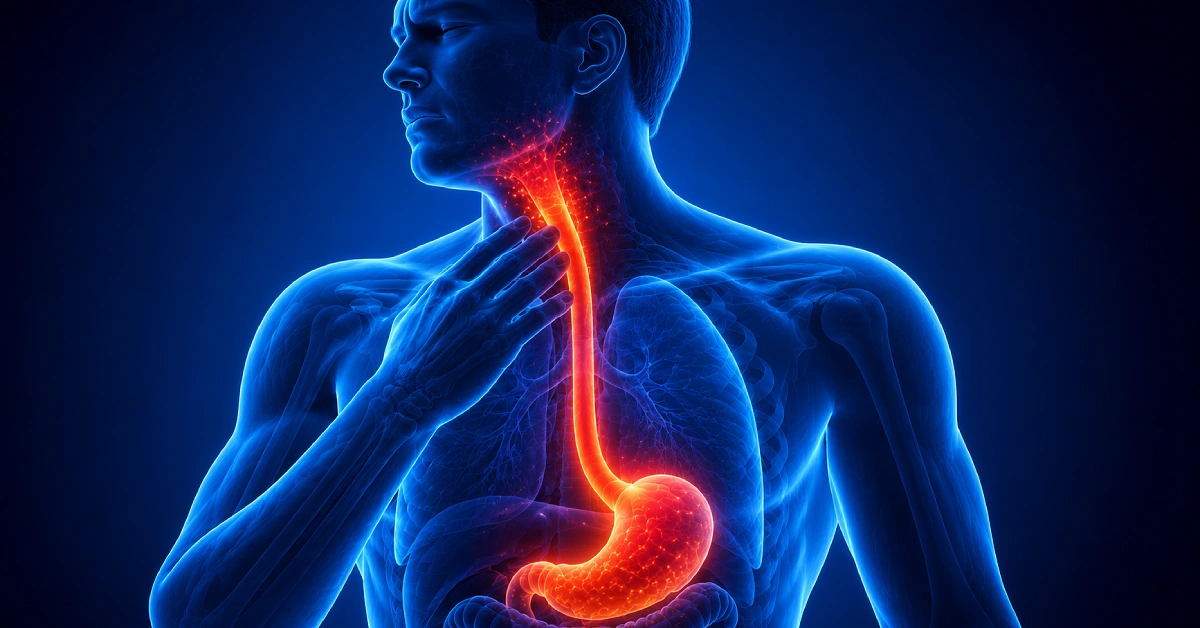
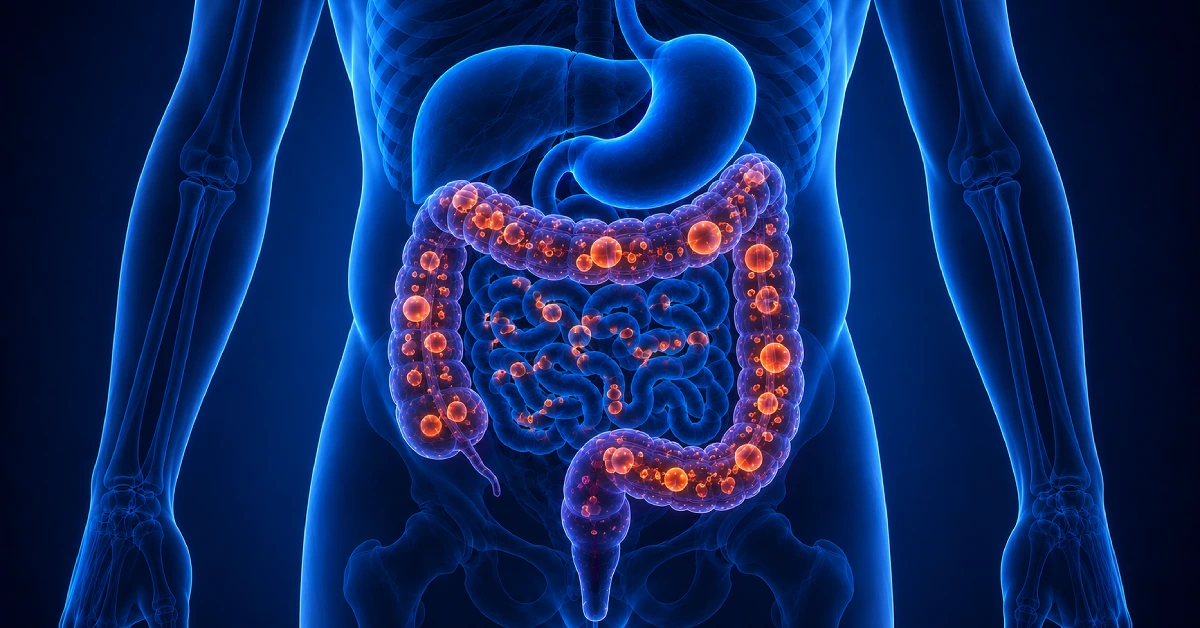
Medical illustration representing reflux, GERD, and LPR digestive health support

Acid Reflux, GERD & LPR

Persistent reflux, heartburn, and laryngopharyngeal symptoms that continue despite acid-suppressing medications often have root causes that go unaddressed — including low stomach acid, motility dysfunction, microbial overgrowth, and food reactivity.

Understand Acid Reflux & GERD →
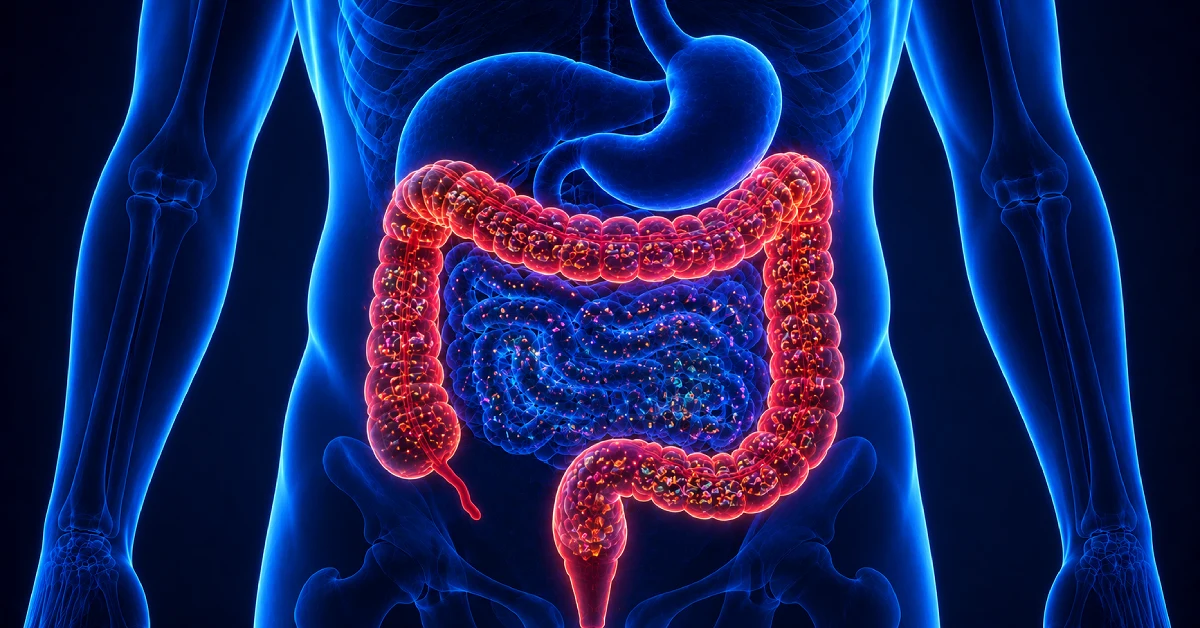
Medical illustration representing diarrhea and irregular bowel habits digestive support

Diarrhea, IBS & Irregular Bowel Habits

Loose stools, urgency, and unpredictable bowel patterns may reflect post-infectious gut changes, bile acid dysregulation, microbial imbalance, food triggers, or immune reactivity. We identify what’s driving the pattern rather than simply slowing transit.

Read About Diarrhea & IBS →
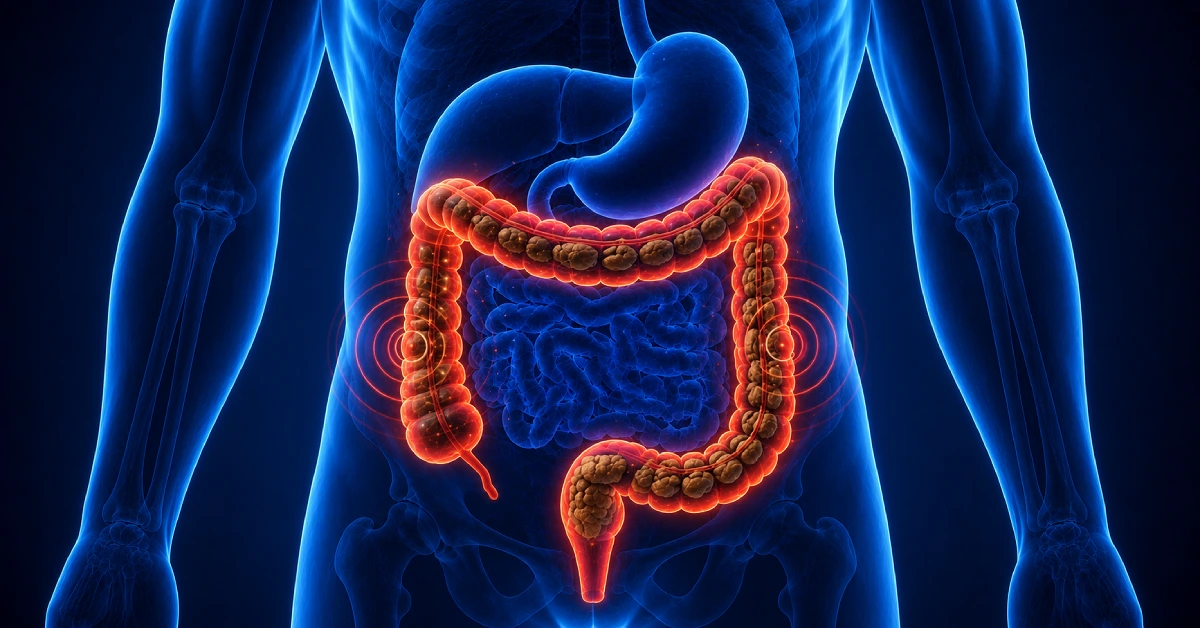
Medical illustration representing Bloating, gas, and abdominal discomfort support icon

Bloating, Gas & Abdominal Discomfort

Among the most common and most under-investigated digestive complaints. Contributors include SIBO, SIFO, dysbiosis, slow motility, food fermentation patterns, and digestive enzyme insufficiency — rarely a single cause in isolation.

Learn About Chronic Bloating →
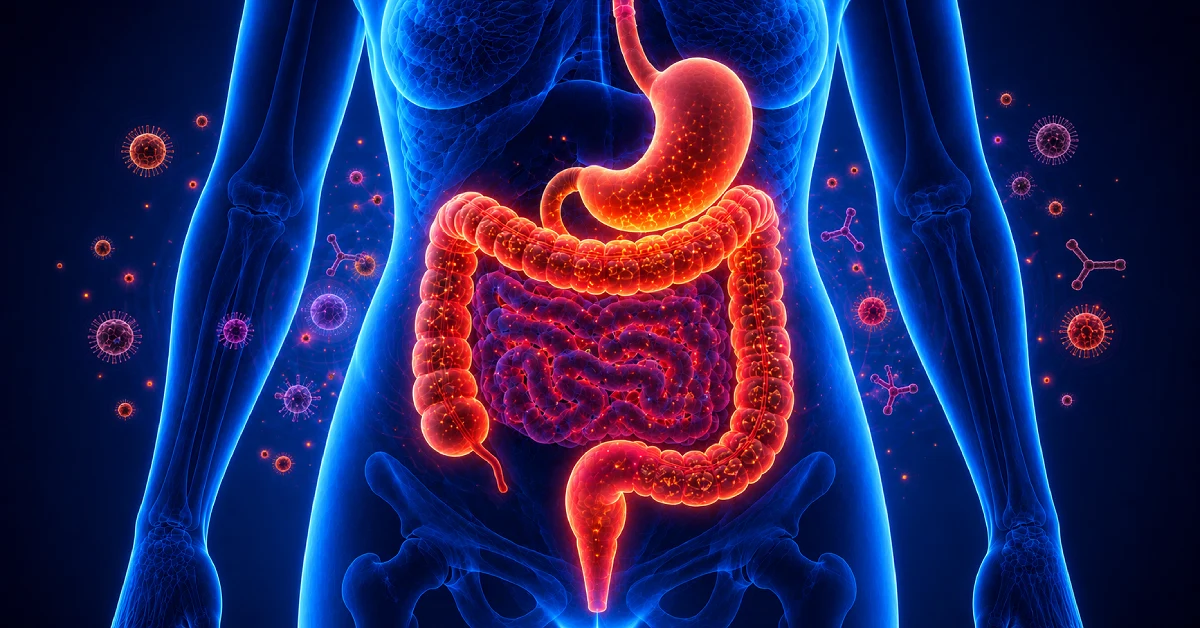
Medical illustration representing SIBO and microbial imbalance digestive health support

SIBO, SIFO & Gut Dysbiosis

Small intestinal bacterial and fungal overgrowth are among the most misunderstood and frequently recurring digestive conditions — often overlapping with IBS, reflux, and food reactivity. Lasting resolution requires addressing the underlying drivers, not just the overgrowth itself.

What is SIBO & SIFO? Learn More →
Medical illustration representing constipation and slow motility digestive support

Constipation, Slow Motility & Methane SIBO (IMO)

Chronic constipation and sluggish motility frequently involve methane-producing overgrowth (IMO), thyroid function, microbiome imbalance, stress physiology, and gut-brain signaling — factors that go well beyond fiber intake and hydration.

Understand Chronic Constipation →
Medical illustration representing food reactions and histamine-related digestive symptoms

Food Sensitivities, Histamine Intolerance & MCAS

Expanding food reactions, histamine intolerance, and mast cell activation often signal underlying gut barrier dysfunction, immune dysregulation, or microbiome imbalance. We investigate the why behind the reactivity rather than simply expanding the avoidance list.

Understand Food Sensitivities →

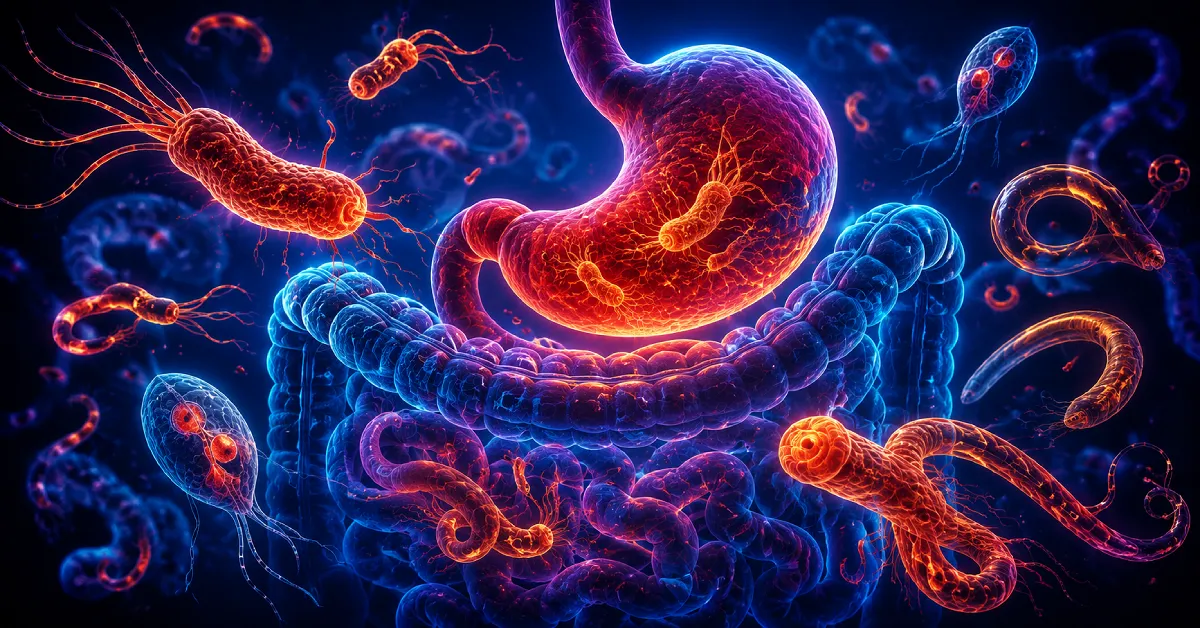
H. pylori, Parasites & Gut Infections

Bacterial infections, parasitic overgrowth, and unresolved gut infections can persist undetected through standard testing and drive a wide range of digestive symptoms. Functional assessment identifies active and residual contributors that conventional panels may miss.

Learn About Gut Infections →
Medical illustration representing gut-brain and nervous system digestive support

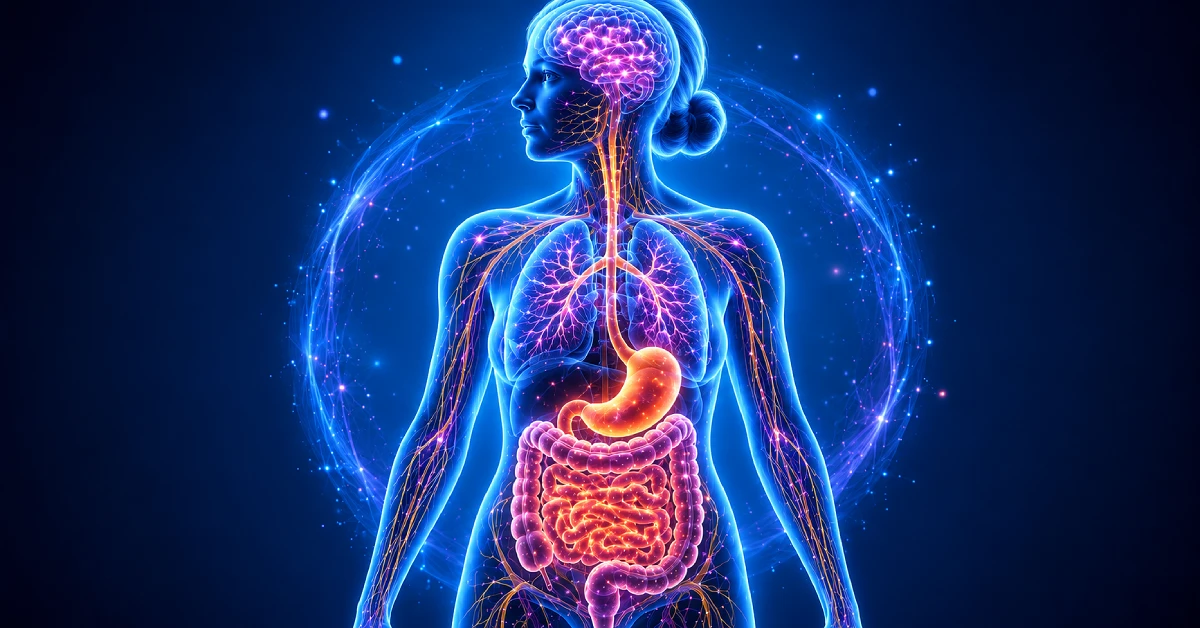
Gut-Brain Axis & Nervous System

The bidirectional relationship between the gut and the brain is one of the most underappreciated drivers of digestive dysfunction. Nervous system dysregulation, HPA axis burden, and chronic stress directly alter gut motility, microbiome composition, and intestinal permeability.

Explore Gut-Brain Connection →

Digestive Contributors & Underlying Factors

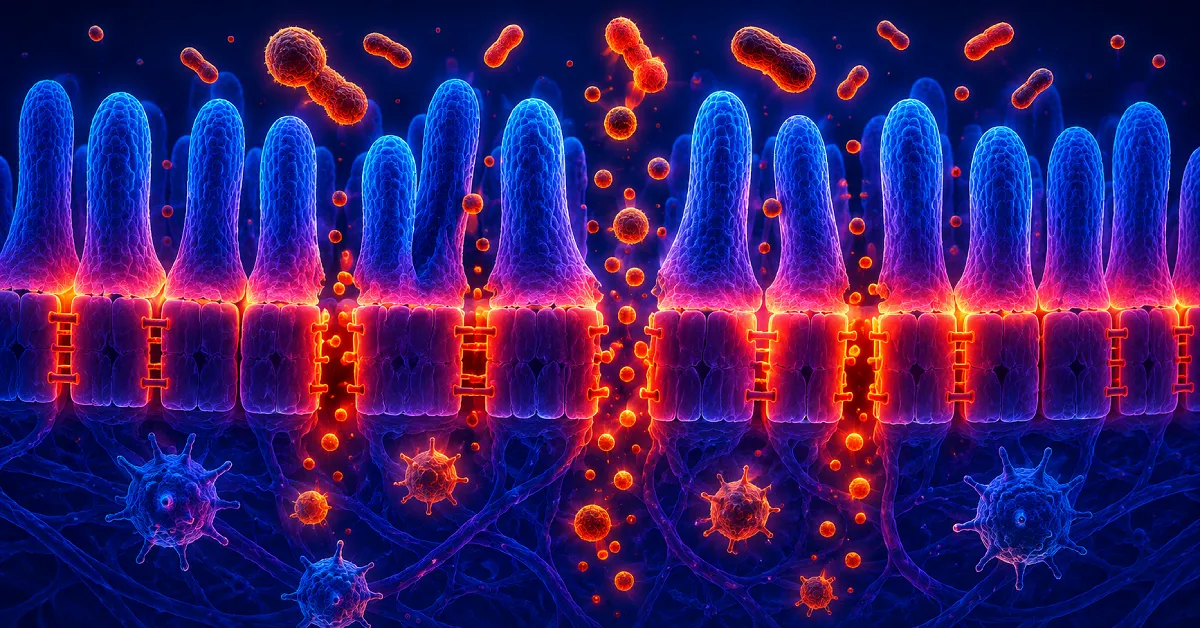
Some of the most significant drivers of chronic digestive dysfunction — including digestive enzyme insufficiency, gut barrier permeability, bile acid dysregulation, and nutrient depletion — exist beneath the surface of a named diagnosis and are rarely assessed by standard care.

Uncover Underlying Factors →

A note on overlapping conditions

Many clients presenting with one digestive issue are simultaneously experiencing several others. SIBO frequently co-occurs with food reactivity and motility dysfunction, while MCAS often overlaps with gut barrier breakdown and dysbiosis. Gut-brain axis dysregulation is present in virtually every complex case. At Restora, conditions are never evaluated in isolation—the full, interconnected clinical picture is always our starting point.

A Personalized Approach to Digestive Health

Your health history, symptoms, lifestyle, and physiology are unique. Our approach combines functional assessments, education, and personalized support to help you better understand potential contributors impacting digestive wellness. Rather than focusing solely on symptom management, we take a broader view by exploring factors such as digestion, microbiome health, nutrient status, stress, lifestyle influences, and other contributors that may impact how you feel.

Schedule a Free Consultation
  • Lauren M.
    “I’d been told I had IBS for years, but that label never explained why I felt the way I did. My doctor managed my symptoms with medication, but never looked deeper. Working with Troy changed everything. We discovered I had low digestive enzyme production, low bile acids, and leaky gut that were quietly driving nutrient deficiencies I didn’t even know I had. For the first time, my symptoms made sense. My plan was built around what my body actually needed to heal. Within a few months, my bloating disappeared, my energy came back, and food stopped stressing me out. Life is good again and I’m beyond grateful!.”

Frequently Asked Questions

Have questions about functional digestive health? Below are answers to common questions about our approach, digestive health services, functional lab testing, and what to expect when getting started.

Yes, absolutely. In fact, that is exactly what our root-cause framework is built for. Chronic digestive issues rarely happen in isolation. Instead of treating your bloating, reflux, or food sensitivities as separate problems with individual pills, we look at the underlying physiological drivers—like motility or nervous system dysregulation—that link them all together.

We don’t guess; we rely heavily on data and your unique health timeline. Through an incredibly thorough review of your complete medical history combined with targeted functional lab testing, we map out how your symptoms intersect. This allows us to create a phase-based restorative plan that prioritizes the true foundational imbalances first.

While both conditions share nearly identical symptoms—such as chronic bloating, gas, abdominal discomfort, and irregular bowel habits—Irritable Bowel Syndrome (IBS) is a broad umbrella diagnosis for functional gut dysfunction. Small Intestinal Bacterial Overgrowth (SIBO), on the other hand, is a specific, measurable root cause of those symptoms, where normal colonic bacteria have migrated up into the small intestine. Advanced breath testing can help pinpoint if your “IBS” is actually driven by underlying SIBO.

If taking high-quality probiotics or increasing your dietary fiber intake triggers intense bloating, severe gas, or worse constipation, it is often a major red flag for an active microbial imbalance like SIBO. In a balanced gut, fiber and probiotics feed beneficial microbes in your large intestine. However, if those bacteria have overgrown in your small intestine, adding more fuel (fiber/prebiotics) simply causes them to ferment rapidly, creating trapped gas and slowing down your overall intestinal motility.

Developing a sudden, growing list of food sensitivities or experiencing system-wide issues like hives, flushing, or brain fog after eating is rarely a problem with the food itself. Instead, it is typically a reflection of a compromised gut barrier (often referred to as leaky gut) and an over-reactive immune response. When the gut lining is inflamed or damaged by overgrowths, the body’s ability to properly break down inflammatory compounds like histamines drops dramatically, leading to widespread food reactivity and chronic systemic symptoms.

The gut and the brain communicate constantly through the vagus nerve and chemical neurotransmitters. A flare-up can be triggered from either end: chronic nervous system stress can physically slow down stomach acid production and muscle motility in the digestive tract, allowing bacterial overgrowth to thrive. Conversely, active low-grade gut inflammation, dysbiosis, or intestinal permeability can send distress signals back up to the brain, manifesting as sudden spikes in anxiety, brain fog, fatigue, or mood changes.

Very often, yes. Standard treatments often focus on suppressing a symptom (like taking an acid blocker for reflux) or cutting out foods (like a strict low-FODMAP diet for SIBO). While this can bring temporary relief, it doesn’t fix why the overgrowth or inflammation happened in the first place. By repairing gut barrier health, restoring proper stomach acid, and balancing the microbiome, we can help break the cycle of recurring symptoms.

No, you do not. While we welcome any prior medical records, test results, or diagnoses you already have, a formal diagnosis is not required. Our functional health assessments and advanced laboratory testing (like comprehensive stool mapping) are designed to uncover functional imbalances and root causes, whether you have a definitive medical label or are just experiencing unexplained symptoms.